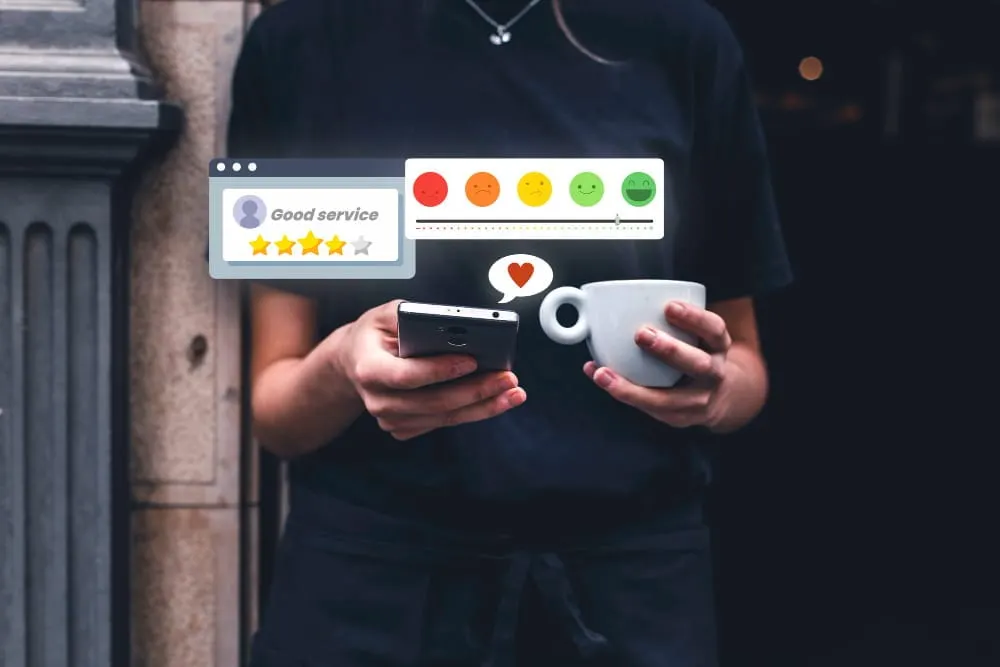
Customer experience (CX) is the sum of every interaction a person has with your brand, from first ad impression to renewal and referral. Get it right, and you earn loyalty, word of mouth, and pricing power. To improve CX: map the full journey, personalize with behavioral data, make support fast and human, unify your channels, close the feedback loop, empower frontline employees, and use AI to remove friction without removing warmth.
What Customer Experience Actually Means
Customer experience is not the same as customer service. Service is one moment. Experience is the whole journey: discovery, evaluation, checkout, onboarding, daily use, support, renewal, and advocacy. Every ad, email, invoice, chatbot reply, and refund shapes how a person feels about your brand.
Poor CX shows up as churn, low reviews, and quiet drop-off. Strong CX shows up as repeat purchases, referrals, and higher lifetime value.
Why CX Deserves Executive Attention
The numbers make the case:
- 86% of buyers say they will pay more for a better experience, with premiums as high as 16% (PwC Experience Is Everything).
- 32% will walk away from a brand they love after a single bad experience (PwC).
- 73% say experience is a top factor in their purchase decisions (PwC).
- Companies that lead in CX outperform laggards on revenue growth over time (Forrester).
Product and price gaps have narrowed in most markets. Experience is now the durable differentiator.
10 Ways to Improve Customer Experience
1. Map the Full Journey Before Fixing Anything
You cannot improve what you cannot see. Chart every touchpoint from awareness to advocacy. For each stage note the customer's goal, the emotion they feel, and the friction they hit. This surfaces the real problems, which are rarely where you first look.
2. Personalize Based on Behavior, Not Guesses
Generic messaging is background noise. Use behavioral signals (pages visited, features used, past orders) to tailor content, offers, and support. A first purchase needs onboarding. A power user needs advanced tips. A dormant account needs a reason to come back.
3. Make Support Fast, Human, and Available Where Customers Already Are
PwC found 52% of consumers will pay more for speed and efficiency, and 74% still want the human element preserved. Live chat, WhatsApp, in app messaging, and phone each serve different needs. Meet people on their channel of choice instead of forcing them onto yours.
4. Use Chatbots for Volume, Humans for Nuance
Bots handle repetitive queries such as order status, password resets, and store hours. Humans handle complaints, complex problems, and anything emotionally charged. Done right, this combination cuts response time without hurting quality. Our guides on chatbots in marketing strategy, chatbots for ecommerce, and closing a chatbot conversation cover the practical patterns.
5. Build a Real Omnichannel Experience
Multichannel means you are on many channels. Omnichannel means those channels talk to each other. When a customer starts a chat on your website and finishes it over email, the context travels with them. See our walkthrough on delivering a great omnichannel customer experience online and how AI can transform an omnichannel strategy.
6. Close the Feedback Loop
Collecting reviews and NPS scores is easy. Acting on them is where most brands fail. Assign owners to feedback themes, ship visible fixes, and tell customers what changed because of what they said. Text analytics tools can surface patterns across thousands of open ended responses that would otherwise sit unread.
7. Reward Loyalty in Ways That Actually Matter
Points and discounts are table stakes. What builds real loyalty is recognition: early access, priority support, a note after a milestone purchase, a status bump when someone hits a threshold. Our post on effective techniques to retain customers and increase loyalty breaks down tactics that go beyond the coupon.
8. Treat Email as a Relationship Channel, Not a Megaphone
Well written emails still deliver some of the highest ROI in marketing, but only when they respect the reader. Move past constant promotions: send order updates, product tips, milestone congratulations, and thoughtful win back offers. See how email marketing supports customer retention when it is done as a conversation rather than a broadcast, and how combining email with chatbots creates continuity.
9. Empower Frontline Employees
Employees who feel trusted deliver better service. Give agents authority to refund, replace, or upgrade within clear limits. Cut approval chains for low value decisions. Invest in training that focuses on tone, empathy, and problem solving, not just scripts. The best CX brands, from Zappos to Ritz Carlton, share this trait: their frontline teams are allowed to fix things on the spot.
10. Measure the Metrics That Actually Predict Behavior
NPS, CSAT, and CES each measure something different. Track them together, and pair them with behavioral metrics such as repeat purchase rate, time to first value, and support ticket volume. When a survey score drops, look at the behavior underneath before you react. The story is almost always in what customers do, not what they check on a form.
Common Mistakes That Undermine CX
- Treating CX as a support team problem instead of a company wide responsibility.
- Adding channels without integrating them, which creates the same broken handoffs on more surfaces.
- Automating so aggressively that customers cannot reach a human when they need one.
- Collecting feedback but never closing the loop, which teaches customers that speaking up is pointless.
- Optimizing for average scores while ignoring the tail of angry customers, which is where churn actually lives.
Four Brands Worth Studying
- Amazon: frictionless returns and support empowered to resolve on the first contact.
- Zappos: agents authorized to spend as long as needed on a single call, with no time targets.
- Apple: a consistent feel across store, web, and phone support, with employees trained to educate before they sell.
- Netflix: personalization built into the product itself, not bolted on as a marketing layer.
The Bottom Line
Great customer experience is not a project. It is a habit. Pick the biggest friction point you already know about, ship a visible fix, then repeat. Do that consistently and the metrics take care of themselves.
FAQs
What is customer experience in simple terms?
Customer experience is the total impression a person forms of your brand across every interaction they have with it, from first touch to long after purchase.
How is customer experience different from customer service?
Customer service is one part of the experience: the help a customer gets when something goes wrong. Customer experience covers everything else too, including marketing, product, checkout, onboarding, and billing.
What is the fastest way to improve customer experience?
Fix the biggest friction point you already know about. Every business has one, whether it is a confusing checkout, slow support, or a broken onboarding step. Ship a visible fix, then repeat.
How do you measure customer experience?
Combine survey metrics (NPS, CSAT, CES) with behavioral ones (repeat purchase rate, churn, time to first value, ticket volume). No single score tells the full story.
Does AI help or hurt customer experience?
Both, depending on how you deploy it. AI helps when it removes friction, such as instant order lookups or 24 hour answers to common questions. It hurts when it hides the path to a human or delivers wrong answers with confidence.
Why is customer experience important for small businesses?
Small businesses cannot outspend large competitors on ads, but they can outcare them. A strong experience earns referrals, which is the cheapest and most trusted growth channel available.