Digital marketing has never offered more opportunities to reach potential customers. Businesses can connect with audiences through search engines, social media platforms, email campaigns, paid advertising, and content marketing. Despite these opportunities, many organizations still struggle to translate marketing efforts into meaningful business results.
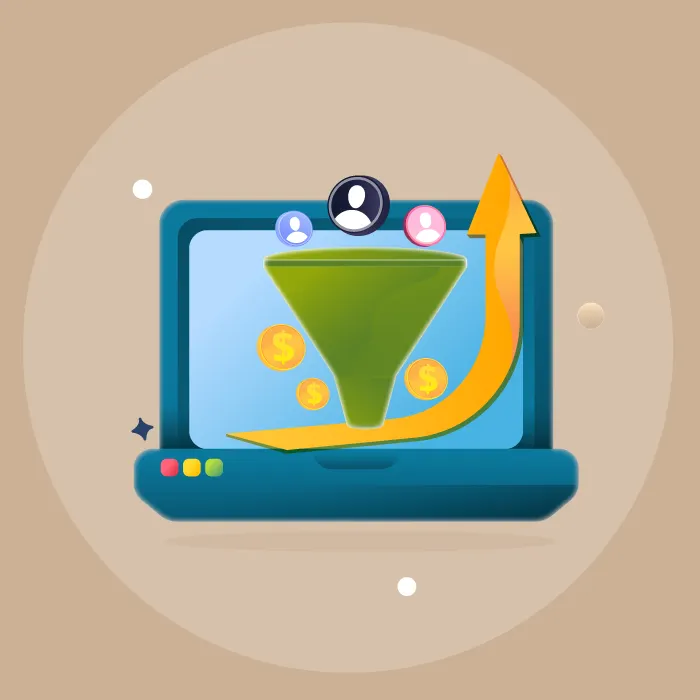
The challenge is not visibility. It is a conversion.
Driving traffic to a website is relatively easy compared to turning that traffic into qualified leads, loyal customers, and long-term revenue. The most successful companies understand that effective digital marketing is not about attracting the largest audience possible. It is about attracting the right audience, delivering the right message, and creating experiences that encourage action.
Here are several practical digital marketing strategies that can help organizations improve conversions and maximize revenue impact.
Start with Audience Understanding, Not Campaign Execution
Many marketing campaigns fail because they begin with tactics instead of strategy. Businesses often focus on launching ads, publishing content, or increasing social media activity without fully understanding who they are trying to reach.
Effective marketing starts with audience insights.
Beyond basic demographics such as age, location, or industry, marketers should understand customer challenges, business objectives, motivations, and purchasing behaviors. Knowing what problems customers are trying to solve allows organizations to position their products or services as relevant solutions rather than generic offerings.
The deeper the audience understanding, the easier it becomes to create messaging that resonates and drives engagement.
Align Content with Buyer Intent
Not every visitor arrives at a website with the same objective. Some are researching a problem, others are comparing solutions, and some are ready to make a purchasing decision.
Successful digital marketing strategies recognize these differences and create content that matches each stage of the buyer journey.
Educational content helps attract early-stage prospects who are seeking information. Comparison guides, case studies, and product demonstrations support buyers evaluating options. Decision-stage content, such as testimonials, implementation guides, and consultations, can help remove final objections.
When content aligns with buyer intent, conversion rates naturally improve because prospects receive the information they need at the right time.
Focus on Value Before Promotion
One of the most common mistakes in digital marketing is talking too much about products and not enough about customer outcomes.
Modern buyers are constantly exposed to promotional messages. What captures their attention is useful information that helps them solve problems, improve performance, or achieve business goals.
Organizations that consistently provide educational and actionable content establish credibility and trust. Over time, this trust becomes a significant competitive advantage.
Whether through blog articles, webinars, whitepapers, newsletters, or social media content, delivering value should remain a central component of every marketing strategy.
Optimize Landing Pages for Action
Even the most successful marketing campaign can underperform if visitors encounter a poorly optimized landing page.
Landing pages should have a clear purpose and a straightforward path to conversion. Every element should support the desired action, whether it is submitting a form, scheduling a consultation, downloading a resource, or making a purchase.
Effective landing pages typically include:
- A compelling headline that addresses a specific challenge
- Clear and concise messaging
- Strong calls to action
- Trust-building elements such as reviews, testimonials, or case studies
- Mobile-friendly design
- Fast loading speed
Small improvements in user experience often generate significant increases in conversion performance.
Use Data to Guide Marketing Decisions
Assumptions can be expensive in digital marketing.
The most effective marketers continuously measure campaign performance and use data to improve results. While metrics such as impressions, clicks, and website traffic provide useful insights, they should not be the primary indicators of success.
Instead, organizations should focus on metrics that directly connect marketing activities to business outcomes. Lead quality, conversion rates, customer acquisition costs, sales pipeline contribution, and revenue generation offer a more accurate picture of marketing effectiveness.
Data-driven marketing enables teams to identify opportunities, eliminate inefficiencies, and allocate resources where they produce the greatest return.
Personalization Creates Better Customer Experiences
Today's buyers expect relevant and personalized interactions.
Generic messaging often gets ignored because it fails to address specific customer needs. Personalization helps organizations deliver content, offers, and recommendations that feel more relevant to individual users.
This does not necessarily require advanced technology or complex automation. Simple segmentation based on behavior, interests, industry, or purchase history can significantly improve engagement.
When customers feel understood, they are more likely to trust a brand, interact with its content, and ultimately convert.
Strengthen Marketing and Sales Alignment
Marketing success should not end when a lead is generated.
Organizations achieve better revenue outcomes when marketing and sales teams work toward shared objectives. Both departments should have a clear understanding of lead qualification criteria, customer needs, and revenue goals.
Regular communication between teams helps improve lead quality, accelerate sales cycles, and create a more consistent customer experience.
When marketing and sales operate as a unified revenue-generating function, businesses are better positioned to maximize return on investment.
Prioritize Customer Retention Alongside Acquisition
Many businesses invest heavily in acquiring new customers while overlooking existing ones.
However, long-term growth often comes from customer retention, loyalty, and expansion opportunities. Existing customers already understand the value of a product or service, making them more likely to purchase additional solutions or renew contracts.
Email marketing, customer education programs, loyalty initiatives, and proactive customer support can strengthen relationships and increase customer lifetime value.
A balanced marketing strategy focuses not only on generating leads but also on creating lasting customer relationships.
Revenue Should Be the Ultimate Marketing Metric
Digital marketing is most effective when it contributes directly to business growth.
Traffic, followers, impressions, and engagement metrics can provide valuable insights, but they should not become the final objective. The true measure of success is how marketing activities influence revenue, profitability, and long-term business performance.
Organizations that consistently connect audience insights, personalized experiences, optimized conversion paths, and data-driven decision-making are more likely to achieve sustainable growth.
In a competitive digital landscape, the companies that win are not necessarily those with the biggest marketing budgets. They are the ones that understand their audience, deliver meaningful value, and create strategies designed to convert attention into measurable business outcomes.
By focusing on revenue impact rather than vanity metrics, businesses can transform digital marketing from a cost center into a powerful growth engine.